


Japan stands as a premier destination for higher education, renowned for its blend of cutting-edge technology, rich cultural heritage, and academic excellence. Japanese universities are esteemed globally for their rigorous academic standards and innovative research facilities, consistently attracting students seeking top-quality education in fields ranging from technology and engineering to the arts and social sciences.
Beyond academia, Japan offers a unique cultural experience that enriches students’ personal and professional growth. With a deep respect for tradition alongside a commitment to innovation, Japan provides a dynamic environment where students can immerse themselves in both ancient rituals and modern advancements. The country’s efficient public transportation, safe cities, and high quality of life further enhance its appeal as a conducive environment for learning and exploration.
Japanese universities often offer programs in English, ensuring accessibility for international students while also providing opportunities to learn Japanese and engage more deeply with the local culture. The country’s reputation for technological innovation, from robotics to sustainable technologies, presents graduates with exciting career prospects in a globally competitive job market.
Geographically, Japan’s diverse landscapes—from bustling metropolises like Tokyo and Osaka to serene countryside and historic landmarks—offer students a wealth of experiences to complement their academic pursuits. Whether drawn by its academic prestige, cultural richness, or technological advancements, Japan continues to attract students from around the world seeking a transformative educational experience in a dynamic and forward-thinking society.
Japan provides not only a world-class education but also an enriching cultural experience in a country known for its technological advancements, cultural traditions, and global influence.
Here are some compelling reasons to consider studying in Japan:
High-Quality Education: Japan is known for its rigorous academic standards and advanced technology, offering top-quality education in various fields such as engineering, technology, medicine, and the humanities.
Research Opportunities: Japanese universities are renowned for their research capabilities and innovation. Students can engage in groundbreaking research projects and gain practical skills.
Cultural Richness: Japan has a rich cultural heritage blending traditional customs with modern trends. Studying in Japan offers an opportunity to experience its unique arts, cuisine, festivals, and historical landmarks.
Safe and Clean Environment: Japan is consistently ranked as one of the safest countries globally, with low crime rates and a high standard of living. It provides a secure and comfortable environment for international students.
Technological Innovation: As a global leader in technology and innovation, Japan offers opportunities for students interested in fields such as robotics, artificial intelligence, biotechnology, and advanced manufacturing.
Internationally Recognized Degrees: Degrees from Japanese universities are highly respected worldwide, opening doors to global career opportunities and academic pursuits.
Language Learning: While many universities offer programs taught in English, studying in Japan also allows students to learn Japanese, one of the most spoken languages in the world, enhancing career prospects.
Cultural Exchange: International students in Japan can interact with local students and professionals, fostering cultural exchange and gaining insights into Japanese business practices and societal norms.
Scholarship Opportunities: Japanese government scholarships, as well as scholarships from universities and private organizations, are available for international students based on academic merit and other criteria.
Quality of Life: Japan offers a high quality of life with efficient public transportation, healthcare services, and a rich cultural scene. It’s a country where tradition meets innovation, offering a balanced lifestyle for students.
Location: Japan is an island nation located in East Asia, in the Pacific Ocean. It consists of four main islands: Honshu, Hokkaido, Kyushu, and Shikoku.
Capital: Tokyo is the capital and largest city of Japan, known for its bustling urban landscape and modern skyscrapers.
Population: Japan has a population of over 125 million people, making it one of the most densely populated countries in the world.
Language: Japanese is the official language spoken throughout the country. English is taught in schools and is widely used in business and tourism.
Government: Japan is a constitutional monarchy with a parliamentary government. The Emperor serves as a ceremonial figurehead, while the Prime Minister is the head of government.
Economy: Japan has the third-largest economy in the world by nominal GDP. It is known for its advanced technology, automotive industry, electronics, and robotics.
Culture: Japanese culture is rich in traditions such as tea ceremonies, kimono attire, and ancient arts like kabuki and noh theater. Manga and anime are also globally popular forms of Japanese culture.
Technology: Japan is known for its innovation and technological advancements, particularly in electronics, automotive engineering, robotics, and bullet train (Shinkansen) technology.
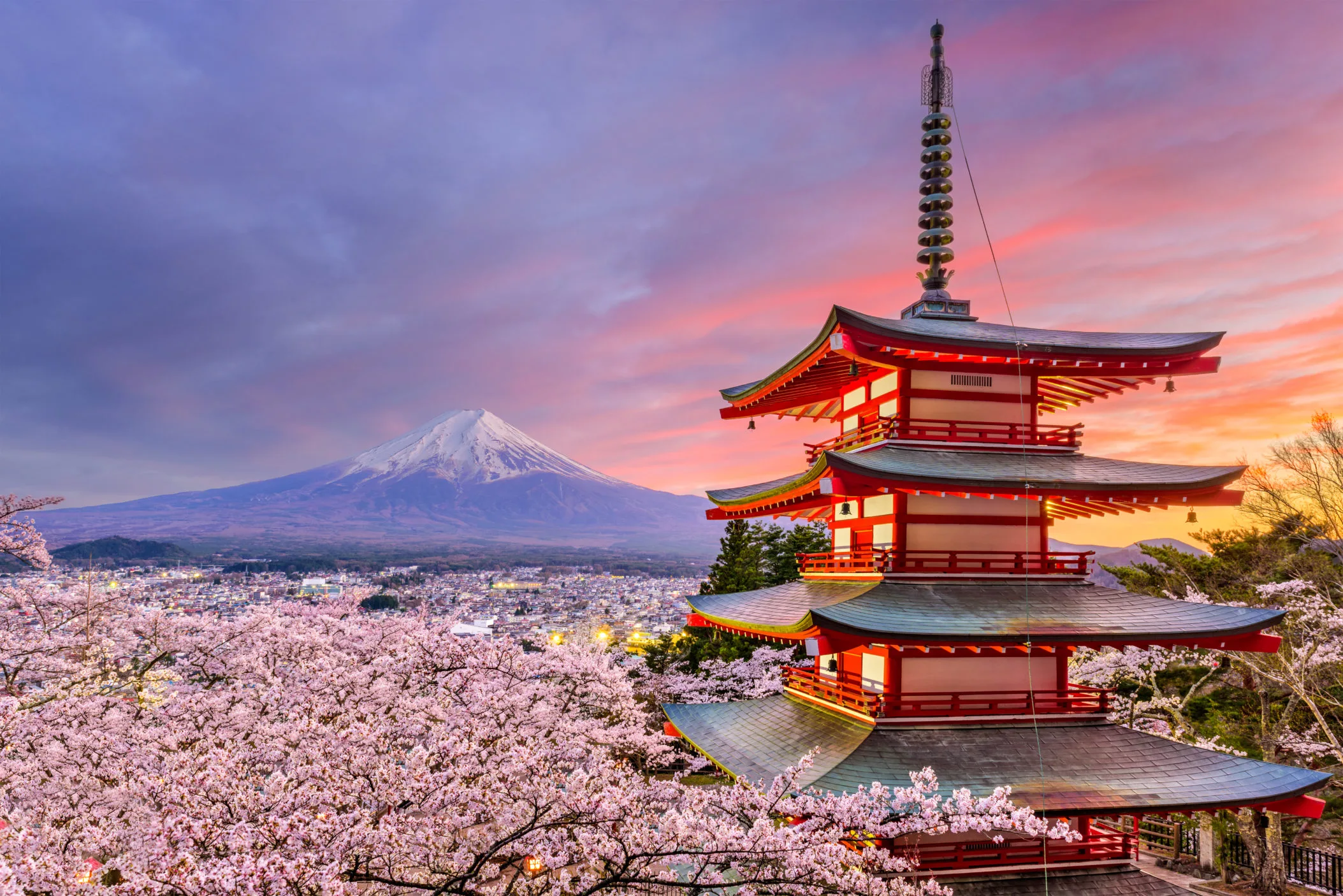
Natural Beauty: Japan is renowned for its diverse natural landscapes, including mountains (such as Mount Fuji), forests, hot springs (onsen), and coastal regions.
Cuisine: Japanese cuisine is celebrated worldwide for its fresh ingredients, meticulous preparation, and aesthetic presentation. Popular dishes include sushi, sashimi, ramen, tempura, and Japanese curry.
Sports: Sumo wrestling is Japan’s national sport, with tournaments held throughout the year. Baseball is also immensely popular, along with soccer and martial arts like judo and karate.
History: Japan has a long and rich history dating back thousands of years. It underwent significant periods of feudalism, followed by modernization during the Meiji Restoration in the 19th century.
Preparing to study in Japan from Nepal involves gathering several important documents. Here’s a comprehensive checklist to help you organize:
Valid Passport: Ensure your passport is valid for at least the duration of your intended stay in Japan.
Acceptance Letter: Offer of acceptance or Certificate of Eligibility (CoE) from the Japanese educational institution.
Student Visa: Application form (available at the Japanese embassy or consulate), along with the required fee.
Passport-sized photographs: As per the specifications outlined by the Japanese immigration authorities.
Certificate of Eligibility (CoE): If applicable, obtained from the educational institution in Japan.
Proof of Financial Means: Bank statements, scholarship letters, or other evidence to demonstrate you can support yourself financially during your stay.
Health Insurance: Proof of health insurance coverage valid in Japan.
Academic Transcripts: Copies of your high school or previous academic transcripts as required by the Japanese educational institution.
Language Proficiency: Results of Japanese language proficiency tests (if required) or English language proficiency tests (e.g., TOEFL, IELTS).
Proof of Funds: Bank statements or other financial documents to prove you have sufficient funds to cover tuition fees, living expenses, and return transportation.
Health and Insurance:
Health Certificate: Depending on your circumstances, you may need a medical certificate.
Health Insurance: Proof of comprehensive health insurance covering the entire duration of your stay in Japan.
Accommodation Confirmation: Details of where you will be staying initially in Japan, such as a dormitory or rental agreement.
Police Clearance Certificate: Depending on the requirements, you may need a police clearance certificate or a good conduct certificate.
Travel Itinerary: Details of your travel plans to Japan, including flight bookings.
Translations: Ensure all documents not in Japanese are translated by a certified translator.
Checklist Review: Double-check with the Japanese embassy or consulate in Nepal for any specific requirements or changes in the application process.
Verify: Before submission, ensure all documents are complete and accurate.
Copies: Make copies of all documents for your personal records.
Student Visa: Obtain a student visa for Japan. You will need to apply for a “College Student” visa (ryugaku visa). Check the requirements and ensure you have all necessary documents, including an acceptance letter from a Japanese educational institution.
Health Insurance: Health insurance is mandatory for all residents in Japan, including students. Ensure you have valid health insurance coverage for the duration of your stay. Many universities offer their own health insurance plans for students.
Financial Planning: Japan can be expensive, especially in cities like Tokyo and Osaka. Plan your finances carefully, including tuition fees, living expenses, accommodation costs, and any additional expenses.
Accommodation: Arrange accommodation before arrival. Many universities in Japan offer dormitory facilities for international students. Alternatively, you may explore private rentals or shared accommodations.
Climate: Japan has a varied climate, with cold winters in the north and subtropical summers in the south. Pack accordingly based on the region where your university is located.
Transportation: Japan has an efficient and extensive public transportation system, including trains, subways, buses, and trams. Consider purchasing a commuter pass or IC card (like Suica or Pasmo) for easier travel.
Cultural Adjustment: Japan has a rich cultural heritage and distinct social norms. Familiarize yourself with Japanese customs, etiquette, and basic phrases in Japanese to ease your transition.
Language: While many universities offer courses in English, learning basic Japanese can greatly enhance your experience and interactions with locals. Consider taking language classes or using language learning apps.
Part-Time Work: International students in Japan are allowed to work part-time under certain conditions. Check the regulations regarding work permits and the number of hours you are permitted to work.
Emergency Contacts: Keep a list of emergency contacts both in Nepal and Japan. Familiarize yourself with emergency services and healthcare facilities available in your area of residence.
If the answer you're looking for isn't here, feel free to ask your question. We're here to help!
Yes, we offer comprehensive career counseling and planning services to help you make informed decisions about your academic and professional future. Our consultants can assess your strengths, interests, and career objectives to provide personalized guidance on potential career paths, further education options, and job opportunities.
If you have additional questions or would like more information about our services, please don't hesitate to contact us through our website or by email at info@dec.edu.np. Our friendly and knowledgeable team is here to assist you and address any concerns you may have.
Dynamic Education Complex is an education consultancy firm that provides personalized guidance and support to students seeking to pursue higher education. We offer services such as academic counseling, college admissions assistance, and career guidance.