
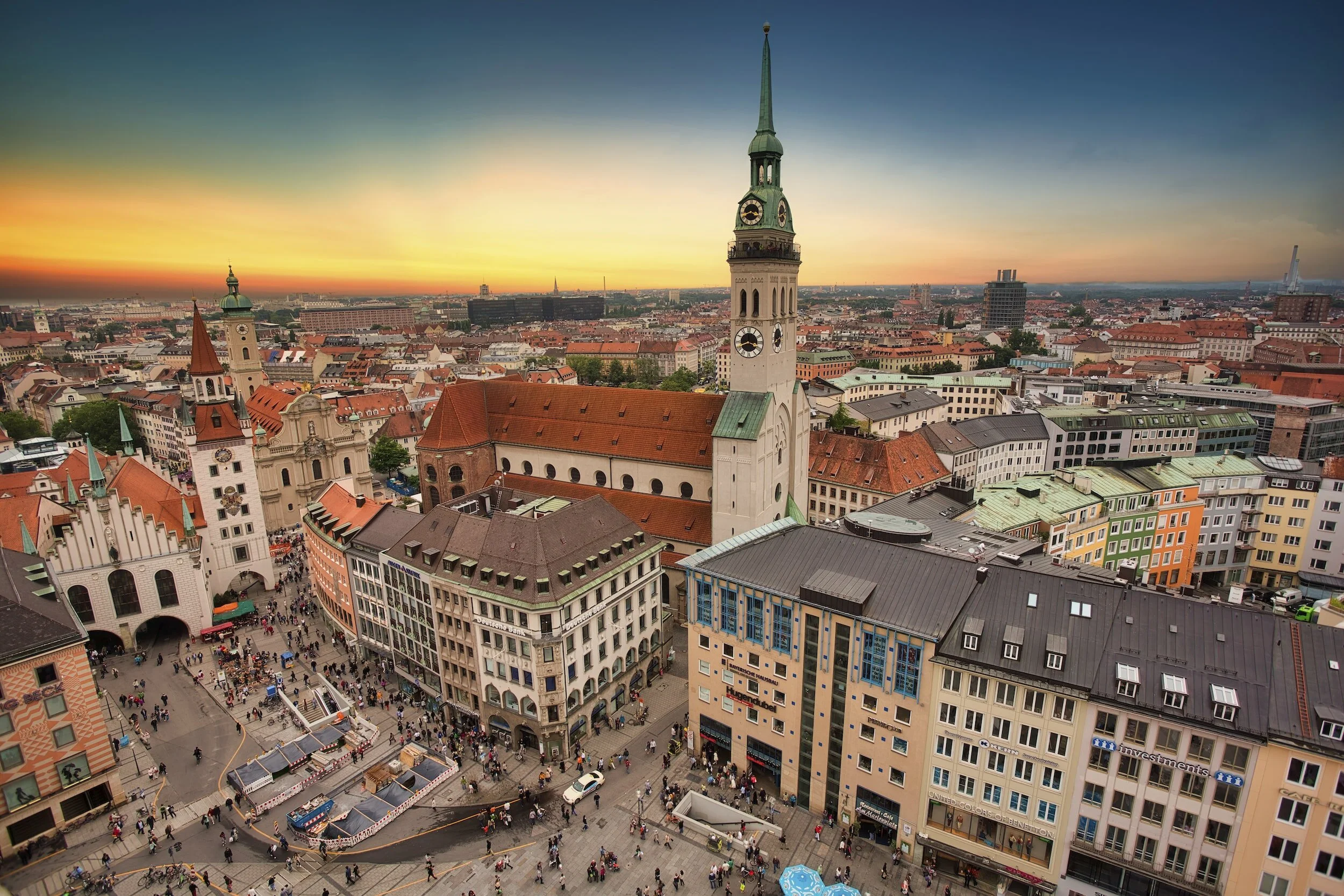


Germany has established itself as a premier destination for higher education, renowned for its academic excellence, innovative research opportunities, and rich cultural heritage. The country’s universities are highly regarded globally, offering a wide range of programs taught in English and German across disciplines such as engineering, natural sciences, humanities, and social sciences. German institutions emphasize practical learning, hands-on research, and industry collaboration, preparing students for successful careers in an increasingly globalized world.
Beyond academics, Germany’s diverse and welcoming environment enhances the educational experience, providing students with exposure to a rich tapestry of cultures, languages, and perspectives. The country’s vibrant cities blend historical charm with modern amenities, offering students a high quality of life and numerous recreational and cultural activities. Additionally, Germany’s central location in Europe facilitates travel and exploration, making it an ideal base for students seeking to experience different cultures and countries.
English-taught programs are widely available in Germany, ensuring accessibility for international students. The country’s strong economy and robust job market offer graduates excellent prospects for employment and career advancement, particularly in sectors such as engineering, automotive, finance, and technology. Whether drawn by its academic reputation, cultural diversity, or career opportunities, Germany continues to attract students worldwide seeking a transformative educational experience in a dynamic and intellectually stimulating environment.
Studying in Germany is highly attractive for international students due to its excellent academic standards, affordability, and vibrant cultural scene. Here are some compelling reasons to consider studying in Germany:
Top Reasons to Study in Germany
Academic Excellence: Germany is renowned for its high-quality education system, with many universities consistently ranking among the top in global university rankings. Degrees from German universities are highly respected worldwide.
Variety of Programs: German universities offer a wide range of programs in various fields, including engineering, natural sciences, humanities, social sciences, business, and more. There are programs taught in English, making it accessible for international students.
Affordability: Public universities in Germany offer tuition-free education to international students, except for a nominal administrative fee. This makes studying in Germany highly affordable compared to many other countries.
Research Opportunities: Germany is a global leader in research and innovation, with extensive funding opportunities for research projects in diverse fields. Students can engage in cutting-edge research activities and gain valuable practical experience.
Strong Economy and Job Prospects: Germany has a robust economy with a strong industrial base, offering excellent internship and job opportunities for international students, especially in sectors like engineering, automotive, technology, and finance.
Cultural Diversity: Germany is known for its rich cultural heritage, historical landmarks, and vibrant arts scene. International students can explore diverse cultural events, museums, galleries, and festivals throughout the country.
Central Location in Europe: Studying in Germany provides easy access to other European countries, allowing students to travel and explore different cultures and languages within the Schengen Area.
Language Learning Opportunities: While many programs are offered in English, studying in Germany also provides an opportunity to learn German, which can enhance career prospects and integration into German society.
Student-Friendly Environment: German universities offer excellent support services for international students, including academic advising, language courses, and assistance with accommodation and visa procedures.
Quality of Life: Germany offers a high standard of living with efficient public transportation, healthcare, and social benefits. Cities like Berlin, Munich, and Hamburg are known for their liveliness, cultural offerings, and quality of life.
Location: Germany is located in Central Europe and shares borders with nine countries: Denmark to the north, Poland and Czech Republic to the east, Austria and Switzerland to the south, France to the southwest, Luxembourg, Belgium, and the Netherlands to the west.
Capital: Berlin is the capital and largest city of Germany, known for its vibrant cultural scene, historical landmarks, and modern architecture.
Population: Germany has a population of over 83 million people, making it the most populous country in the European Union.
Language: German is the official language spoken by the majority of the population. English is widely taught and spoken, especially in business and tourism.
Government: Germany is a federal parliamentary republic. The President serves as the head of state, while the Chancellor is the head of government.
Economy: Germany has the largest economy in Europe and the fourth-largest in the world by nominal GDP. It is known for its strong industrial base, including automotive manufacturing, machinery, chemicals, and renewable energy sectors.
Culture: Germany has a rich cultural heritage, with contributions to classical music, philosophy, literature, and art. It is famous for composers like Beethoven and Bach, philosophers like Kant and Hegel, and artists like Dürer and Kandinsky.
Technology: Germany is a global leader in engineering and technology, known for innovations in automotive engineering (with brands like Mercedes-Benz, BMW, and Volkswagen), precision machinery, and renewable energy technologies.
History: Germany has a complex history, including periods of the Holy Roman Empire, the Prussian Empire, and the Nazi regime. It was divided into East and West Germany during the Cold War but reunified in 1990.
Cuisine: German cuisine varies by region but is known for dishes such as sausages (like bratwurst and currywurst), sauerkraut, pretzels, and a variety of bread and pastries. Beer is an integral part of German culture, with Germany being famous for its beer festivals like Oktoberfest.
Sports: Football (soccer) is the most popular sport in Germany. The national football team has won several World Cup championships. Other popular sports include basketball, handball, and winter sports like skiing and ice hockey.
Landmarks: Germany is home to numerous UNESCO World Heritage Sites, including the Cologne Cathedral, the Berlin Wall, the Romantic Rhine, and the Bauhaus sites in Weimar and Dessau.
Valid Passport: Ensure your passport is valid for the duration of your stay in Germany.
Acceptance Letter: Offer of acceptance or admission letter from the German educational institution (University admission letter – Zulassungsbescheid).
Student Visa: Application form (available at the German embassy/consulate), along with the required fee.
Passport-sized photographs: As per the specifications outlined by the German immigration authorities.
Proof of Financial Means: Blocked account confirmation (Sperrkonto), scholarship letters, or other evidence to demonstrate you can support yourself financially during your stay.
Health Insurance: Proof of health insurance coverage valid in Germany.
Proof of Accommodation: Confirmation of where you will be residing in Germany, such as a rental agreement or hostel booking.
Academic Transcripts: Copies of your high school or previous academic transcripts as required by the German educational institution.
Language Proficiency: Results of German language proficiency tests (if applicable), or English language proficiency tests (e.g., IELTS, TOEFL).
Proof of Funds: Bank statements or other financial documents to prove you have sufficient funds to cover tuition fees, living expenses, and return transportation.
Health and Insurance:
Health Certificate: Depending on your circumstances, you may need a medical certificate.
Health Insurance: Proof of comprehensive health insurance covering the entire duration of your stay in Germany.
Police Clearance Certificate: Depending on the requirements, you may need a police clearance certificate or a good conduct certificate.
Travel Itinerary: Details of your travel plans to Germany, including flight bookings.
Translations: Ensure all documents not in German or English are translated by a certified translator.
Checklist Review: Double-check with the German embassy or consulate in Nepal for any specific requirements or changes in the application process.
Verify: Before submission, ensure all documents are complete and accurate.
Copies: Make copies of all documents for your personal records.
Student Visa: Obtain a student visa for Germany. Depending on your nationality, you may need to apply for a visa (Visum zu Studienzwecken) before traveling. Check the requirements and ensure you have all necessary documents, including an acceptance letter from a German university.
Health Insurance: Health insurance is mandatory for all students in Germany. Make sure you have valid health insurance coverage that meets German requirements. You can either get public health insurance (gesetzliche Krankenversicherung) or private health insurance (private Krankenversicherung).
Financial Planning: Germany is relatively affordable compared to some other Western European countries, but costs can vary depending on the city and lifestyle. Plan your finances including tuition fees, accommodation costs, living expenses, and any additional expenses.
Accommodation: Start looking for accommodation early, as finding a place to live in cities like Berlin, Munich, or Frankfurt can be competitive. Universities often provide assistance in finding accommodation, such as dormitories or student apartments.
Climate: Germany has a temperate climate with mild summers and cold winters. Pack clothing suitable for varying weather conditions, and consider bringing warm clothing if you arrive in autumn or winter.
Transportation: Germany has an excellent public transportation system including trains, buses, trams, and metros. Consider getting a student discount card (Semesterticket) offered by many universities for reduced fares on public transport.
Cultural Adjustment: Germany has a rich cultural history with diverse traditions and customs. Familiarize yourself with German etiquette, social norms, and basic German phrases to facilitate interactions with locals.
Language: While many programs are offered in English, learning basic German can enhance your experience and daily life interactions. Universities often offer language courses for international students.
Part-Time Work: International students in Germany are allowed to work part-time during their studies. Check the regulations regarding work permits and the number of hours you are permitted to work per week.
Emergency Contacts: Keep a list of emergency contacts including your embassy or consulate in Germany, local emergency services, and contacts in your home country.
If the answer you're looking for isn't here, feel free to ask your question. We're here to help!
Yes, we offer comprehensive career counseling and planning services to help you make informed decisions about your academic and professional future. Our consultants can assess your strengths, interests, and career objectives to provide personalized guidance on potential career paths, further education options, and job opportunities.
If you have additional questions or would like more information about our services, please don't hesitate to contact us through our website or by email at info@dec.edu.np. Our friendly and knowledgeable team is here to assist you and address any concerns you may have.
Dynamic Education Complex is an education consultancy firm that provides personalized guidance and support to students seeking to pursue higher education. We offer services such as academic counseling, college admissions assistance, and career guidance.